

Barita Eco Lestari
Industrial cooling tower and green process piping
SOLUTIONS

Start With the Waste Stream.

Different materials require different controls, processes and recovery pathways. Barita's service model begins by understanding the waste itself — its category, characteristics, volume, handling requirements and potential next use.

Service Lifecycle

One Controlled Pathway, Start to Report.

  1. 01

    Identify

  2. 02

    Schedule

  3. 03

    Collect

  4. 04

    Transport

  5. 05

    Receive

  6. 06

    Verify

  7. 07

    Store

  8. 08

    Recover / Coordinate

  9. 09

    Report

Initial Service Model

What We're Building Right Now.

• Under Development

Barita is developing an operating model that connects waste collection with controlled receiving, storage, material assessment, recovery and reporting. Initial transportation is planned through qualified partners while Barita develops its own operating volume and infrastructure.

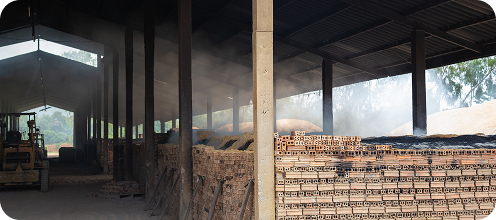
Gloved hand stacking recovered clay bricks
Brick kiln and production shed
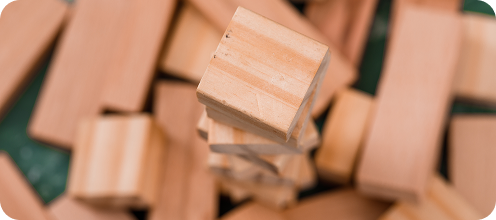
Close-up of construction-material blocks

Waste Category Tracks

Industrial plant with smoking chimneys

Industrial Waste & B3

• Under Development

Initial industrial-waste development includes selected B3 and non-B3 streams that fit Barita's permits, technical controls and recovery capability. Early material studies include fly ash, calcium-carbide-related residues and sandblasting-derived material.
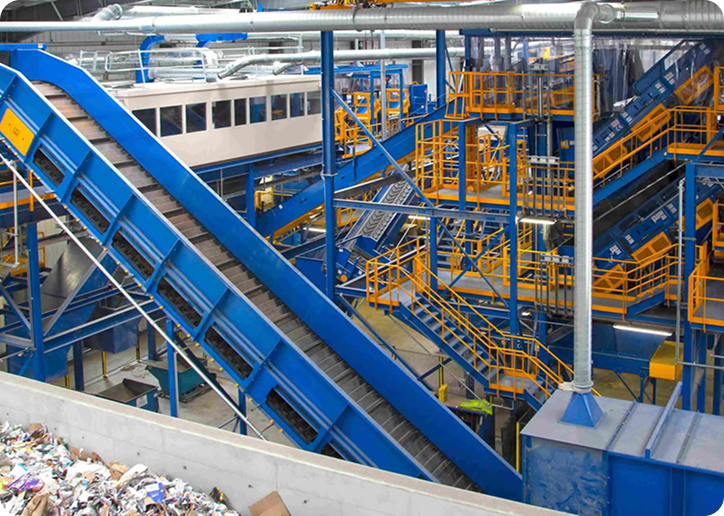
Conveyor lines in an inorganic-waste recovery facility

Inorganic Recovery

• Planned

As tenant waste inventories become available, Barita plans to expand into inorganic recovery pathways — including plastics and other recoverable materials — where volume, technical feasibility and end markets justify the process.

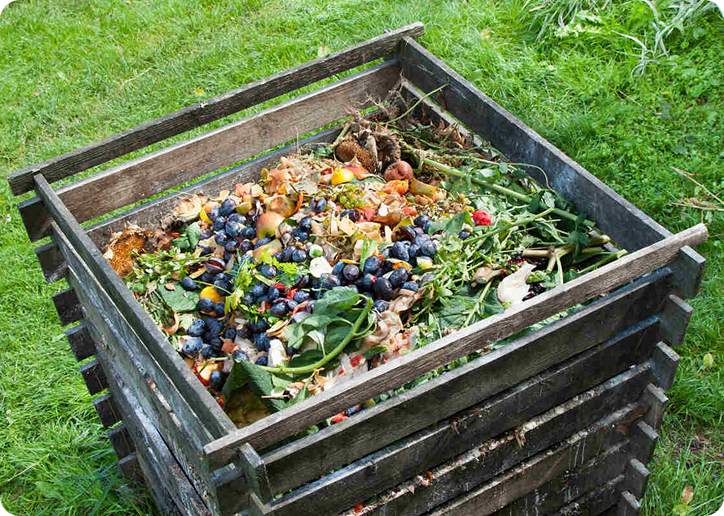
Wooden compost bin filled with organic waste

Organic Waste

• Planned

A dedicated organic-waste pathway is part of Barita's longer-term integrated waste-management roadmap. Technology and output products will be selected only after feedstock availability and process feasibility are validated.

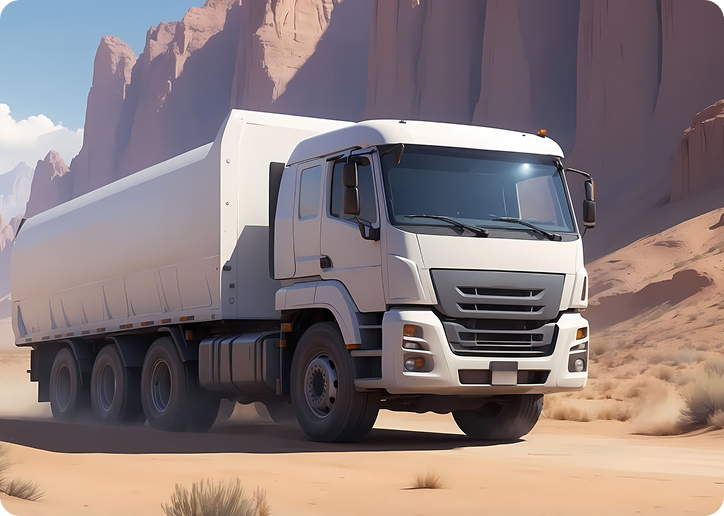
Tanker truck used for scheduled waste collection

Collection Model

The preferred operating model is scheduled collection, with on-demand support where operationally appropriate. Pickup requests will be coordinated through Barita's customer/admin PIC.

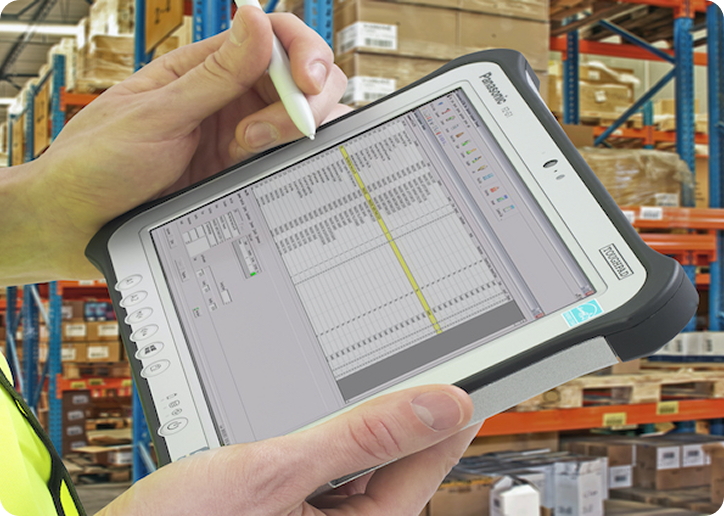
Handheld tablet showing a waste-tracking report in a warehouse

Customer Reporting

• Planned

Barita intends to give customers visibility not only into what was collected, but also into the material pathway after collection. Future reporting may include waste quantity, category, recovered material, residual and landfill-diversion indicators.

Barita Eco Lestari industrial site

Have a Waste Stream You Need to Manage?

Tell us what material you generate, where it comes from, and approximately how much. We can begin with the material before discussing the process.

Discuss Your Waste Stream